
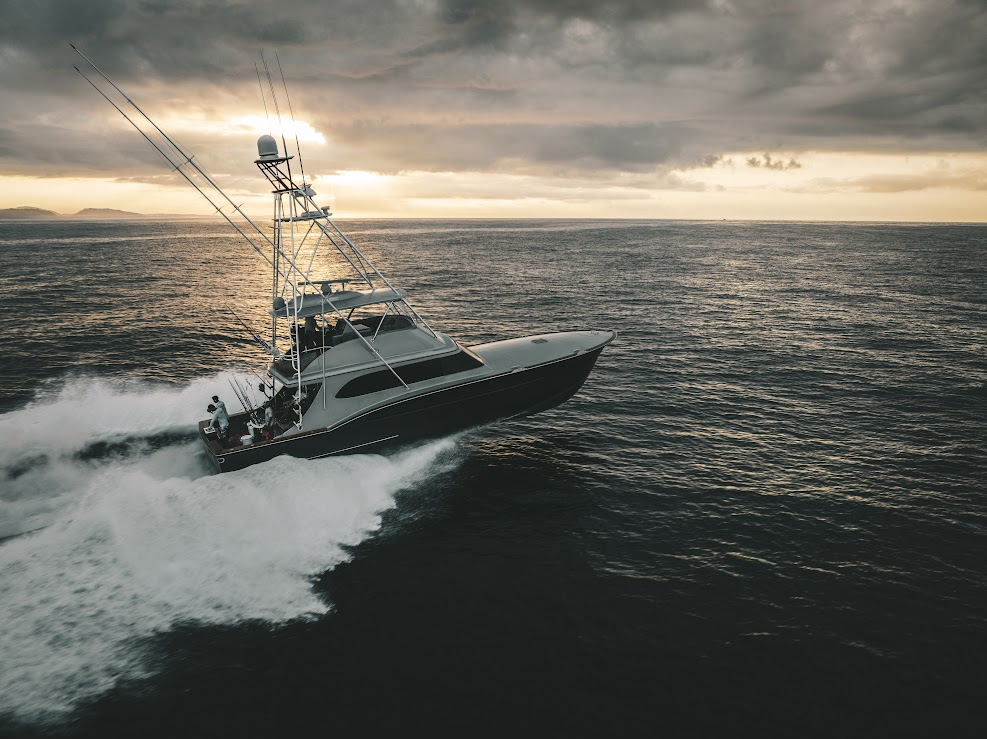
Choosing the right deep sea fishing boat is essential for anyone passionate about offshore angling. Whether you’re a weekend warrior chasing tuna or a commercial fisherman with years of experience, the ship you choose plays a critical role in your success, safety, and overall experience at sea. With so many options on the market, each tailored to different needs, budgets, and fishing styles. It’s important to understand what to look for before making your investment. This guide explores everything you need to know about selecting the perfect deep sea fishing boat to match your goals and lifestyle.
Understanding the Purpose of Your Deep Sea Fishing Boat
Before diving into boat specs and features, defining the purpose behind your purchase is essential. Your deep sea fishing boat may be intended for weekend sport fishing trips, extended offshore expeditions, or even used as part of a charter operation. Recreational anglers may prioritize comfort and ease of use, while commercial fishermen require boats built for endurance, storage, and reliability. Some enthusiasts seek a hybrid to accommodate family trips and serious fishing expeditions. Knowing your goals will shape every aspect of your decision, from hull design to engine type.
Selecting the Right Size Deep Sea Fishing Boat for Your Needs
Size significantly impacts a deep sea fishing boat’s performance, safety, and comfort. Boats from 25 to 35 feet suit nearshore trips and are easier to maintain, while larger vessels (36 to 60+ feet) offer greater stability, power, and amenities for extended offshore excursions. A larger boat delivers added security and convenience for frequent deep water fishing. Choosing the right size ensures your boat can handle the conditions and duration of your typical trips.
How Hull Design Impacts Deep Sea Fishing Boat Performance
The hull design of your deep sea fishing boat directly impacts how it handles open ocean conditions. Deep V hulls are commonly used in offshore boats because they slice through waves more smoothly, providing a more stable and comfortable ride in choppy seas. Some boats offer a modified V or catamaran hull. Catamarans are particularly popular in deep sea fishing due to their increased stability and fuel efficiency. They tend to roll less in rough water, making them ideal for anglers prone to seasickness. However, they often require more dock space and can be costlier upfront. Picking the proper hull balances performance, comfort, and your typical fishing environment.
Engine Options for Deep Sea Fishing Boats
A deep sea fishing boat needs enough power to get offshore quickly and safely and to return even in adverse conditions. Most boats have either inboard or outboard engines.
Outboard Motors
Commonly found in boats under 40 feet. They’re easier to maintain, offer more deck space, and can be tilted out of the water when not in use. Newer models are also more fuel-efficient and environmentally friendly.
Inboard Engines
Typically found in larger vessels, they are preferred for long-distance travel. They’re more complex and require specialized maintenance but provide excellent power and torque for extended offshore trips.
Twin or Triple Engines
Some boats feature twin or triple engines for extra speed and redundancy, particularly when venturing far offshore. When evaluating engine options, consider your average trip length, budget, and maintenance capacity.
Fuel Capacity and Range for Your Deep Sea Fishing Boat
Fuel capacity is one of the most overlooked factors when selecting a deep sea fishing boat. Offshore fishing often requires traveling 50 miles or more from shore, especially when targeting big game species like marlin, swordfish, or tuna. A reliable deep sea vessel should have enough fuel to get you out and back with a safety buffer. Consider the boat’s fuel consumption rate at cruising speed, not just maximum capacity. Always factor in reserve fuel for emergencies or detours. Some advanced models offer fuel management systems that optimize consumption and give real-time analytics, which can be a game-changer for serious anglers.
Deck Layouts for Your Deep Sea Fishing Boat
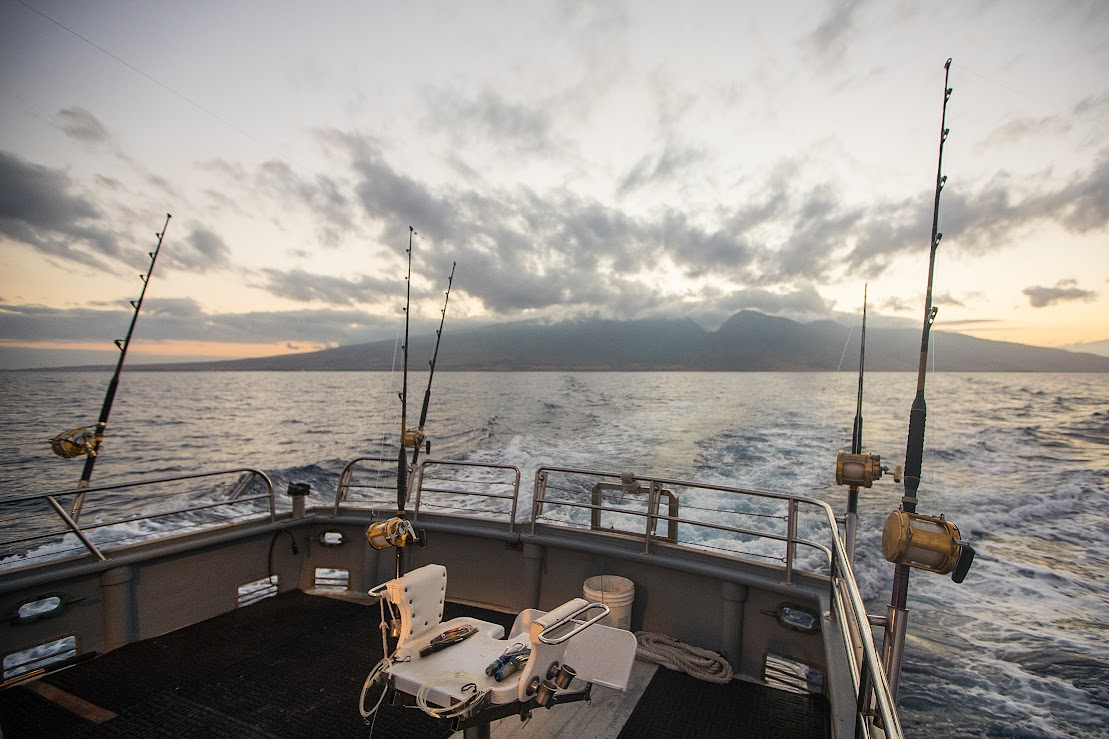
The deck is your fishing battlefield, so it needs to be spacious, well-designed, and equipped with essential fishing features. When reviewing a deep sea fishing boat, consider the following:
Rod Holders and Outriggers
It is crucial for trolling and managing multiple lines. It also helps keep lines organized and reduces tangling during active fishing.
Livewells and Bait Prep Stations
These help keep bait fresh and ready. Properly designed stations make it easy to rig bait quickly while on the move.
Fish Boxes and Storage Compartments
Fish boxes are insulated and large enough for big catches. It also helps preserve fish quality during long offshore trips.
Tuna Towers or Flybridges
Offer visibility when spotting fish from afar. These elevated platforms also enhance navigation in shallow or reef-filled waters.
Washdown Systems
For easy clean-up after a long day of fishing. A high-pressure washdown prevents blood and debris from staining the deck.
A functional layout minimizes clutter and provides easy movement around the deck—even when the action heats up. It also ensures that gear and equipment are always within reach, boosting efficiency during critical moments.
Electronics and Navigation Systems for Deep Sea Fishing Boats
Modern deep sea fishing boats come equipped with high-tech electronics that make offshore angling safer and more effective. Must-have systems include:
GPS and Chartplotters
Help you locate productive fishing grounds and navigate back safely. Modern units often integrate with other systems for real-time data overlays. They also allow you to mark waypoints, track routes, and avoid underwater hazards.
Fishfinders and Sonar
Use sound waves to locate schools of fish at varying depths. Advanced models can differentiate between baitfish and target species. They provide a clear view of the bottom structure, helping you identify hotspots.
Radar and VHF Radio
Radar helps detect approaching vessels or weather systems early. VHF radio allows for emergency communication and coordination with nearby boats.
Autopilot Systems
Reduce fatigue on long runs to offshore grounds. They maintain a steady course while you focus on fishing or monitoring systems. Some models can integrate with GPS for route tracking and adaptive navigation.
Advanced boats also integrate digital dashboards and multifunction displays that combine several instruments into one interface. Investing in quality electronics pays off with improved efficiency and better catches.
Overnight Accommodations on Deep Sea Fishing Boats
If you plan to spend more than a day offshore, your deep sea fishing boat should offer the amenities needed for comfortable overnight stays. Look for boats with:
Sleeping Berths
From simple bunks to private staterooms, these sleeping arrangements provide a place to recharge after long hours on the water. Getting proper rest ensures you’re alert and ready for early morning action or overnight trolling.
Galleys
Equipped with a stove, fridge, and microwave, galleys make life at sea more convenient. They allow you to prepare fresh meals onboard, keeping your crew fueled and satisfied during extended trips.
Toilet and Shower
For longer trips, these become essential for comfort and hygiene. Having access to clean facilities onboard makes your time offshore much more manageable and enjoyable.
Climate Control
Air conditioning and ventilation systems improve onboard comfort, especially in hot or humid environments. Maintaining a cool, breathable cabin can make a significant difference during long, sun-exposed days at sea.
Boats built for overnight trips should also offer adequate fresh water capacity and generator options for power while at sea.
Deep Sea Fishing Boat Material and Construction Quality
The durability of a deep sea fishing boat relies heavily on the quality of its materials and construction. Most modern models use fiberglass or composite materials, offering excellent corrosion resistance and requiring minimal maintenance. Aluminum boats, while lighter and extremely tough, may lack the comfort and sleek appearance of fiberglass options. Regardless of material, attention to detail in fittings, welds, and overall finish strongly indicates long-term reliability. For optimal performance and safety, look for boats with reinforced transoms, sealed buoyancy compartments, and heavy-duty hardware designed to endure the harsh saltwater environment.
Comparing New and Used Deep Sea Fishing Boat Options
A new deep sea fishing boat offers warranty coverage, customization, and peace of mind—but often at a higher cost and faster depreciation. Used boats can be more affordable and still provide great value if well-maintained. Always get a professional inspection and check engine hours, maintenance records, and overall condition. Whether new or used, choose a reputable manufacturer with a strong track record in the fishing community. Taking the time to evaluate your options carefully can lead to a wiser, more satisfying investment.
Costs to Consider When Owning a Deep Sea Fishing Boat
The initial cost of a deep sea fishing boat is only part of the financial picture. Long-term ownership comes with recurring expenses that can add up quickly, including fuel, storage, insurance, maintenance, and repairs. Slip fees or trailer storage should be factored into your annual costs and routine engine servicing and hull maintenance, such as cleaning and anti-fouling treatments. Don’t forget potential upgrades or replacements for electronics, pumps, and other essential systems, as well as the ongoing investment in fishing gear and accessories. Creating a realistic annual budget helps ensure your time on the water remains enjoyable and financially sustainable.
Deep Sea Fishing Boat Licensing, Safety, and Legal Requirements
Operating a deep sea fishing boat has significant responsibilities, many of which vary depending on your location. You may need specific licenses or certifications, particularly when running a charter operation. It’s essential to ensure your vessel complies with all local boating regulations, safety gear requirements (such as life vests, flares, and EPIRBs), registration, insurance, and any necessary fishing permits for your target species. Familiarizing yourself with Coast Guard regulations and investing in safety training for all regular passengers can significantly improve preparedness. When the unexpected happens offshore, being well-equipped and properly trained can make all the difference.
Find the Deep Sea Fishing Boat That Matches Your Needs
There’s no one-size-fits-all solution for choosing the best deep sea fishing boat. The ideal vessel should align with how often you fish, where you plan to go, how many people you’ll have onboard, and your overall budget and commitment to the sport. By carefully evaluating key factors like size, hull design, engine power, onboard comfort, and fishing-specific features, you can find a boat that suits your needs and elevates your offshore experience. Investing in the right deep sea fishing boat is more than just purchasing a vessel—it’s about embracing a lifestyle of adventure, connection with the ocean, and unforgettable memories on the open water.
Explore expert tips, trusted brands, and top gear recommendations with Straight Forward Watersports blog, your go-to source for deep sea fishing.
