
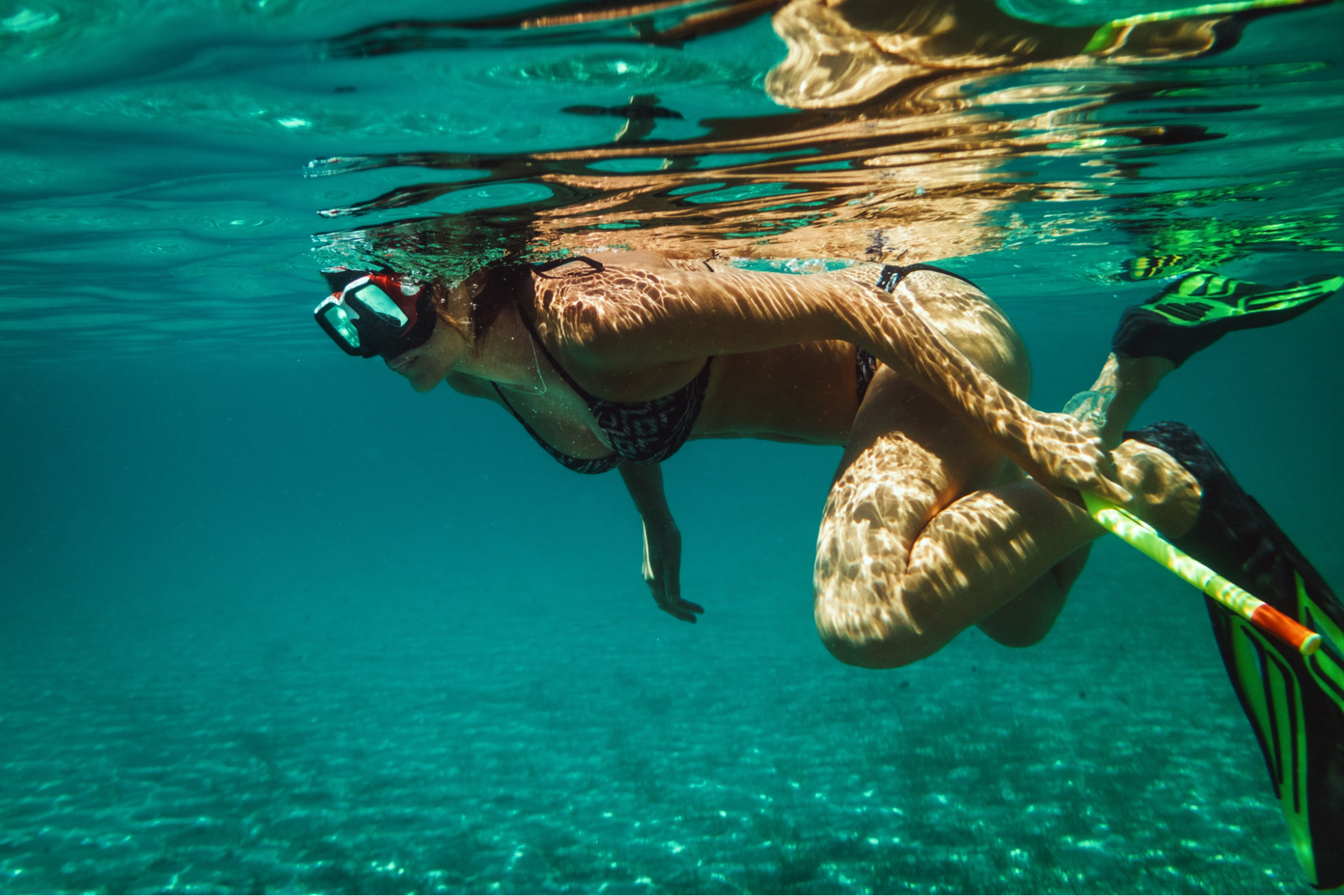
Snorkeling offers an exhilarating, straightforward way to explore the ocean without complicated scuba equipment or extensive training. Whether planning a tropical vacation or trying a new local activity, learning to snorkel correctly can make the experience much more enjoyable and safe. This step-by-step guide is here to help beginners feel confident in the water and make the most of their first snorkeling adventure.
1. Choosing Snorkeling Gear That Fits You
The first step to learning how to snorkel begins with choosing the right equipment. A proper fit and good quality gear make a major difference in comfort and confidence. The essential items include a mask, a snorkel tube, and a pair of fins. A mask that seals well against your face without being too tight is key. It should create suction when placed on your face and inhaled through your nose, even without the strap. The snorkel tube is equally essential. Beginners usually prefer dry snorkels, with a valve that closes when submerged to keep water out. These are especially helpful for avoiding inhaling water while floating on the surface. Find a pair of fins that fit your feet snugly without causing pain. Fins allow you to move through the water with much less effort, which means you’ll use less energy and be able to stay out longer.
2. Getting Comfortable With Snorkeling Equipment
Before heading to the ocean, practicing using your gear in a controlled environment is smart. A pool or calm, shallow beach area is perfect for this. Start by adjusting your mask and snorkel on dry land. Try breathing through the snorkel and get used to inhaling and exhaling with your mouth only. It can feel strange at first, but it becomes second nature with a bit of practice. Next, put your face in shallow water while breathing through the snorkel. Stay relaxed, keep your body floating horizontally, and focus on breathing slowly. Wearing your fins in the water can also take getting used to. Start by gently kicking from your hips with your legs extended rather than from your knees. This style of movement is more efficient and prevents unnecessary splashing.
3. Picking the Right Spot for Your First Snorkel
As a beginner, your experience will be much smoother if you choose the right location. Look for a beach with shallow, calm water and minimal current. Avoid areas with large waves, strong tides, or boat traffic. Clear water makes it easier to see marine life and navigate around natural features like rocks or coral. Choose a location known for snorkeling where lifeguards are present and marine life is abundant. Check local weather and tide conditions before setting out. Talk to local guides or dive shops for recommendations. They can suggest beginner-friendly spots and inform you of any potential hazards or protected areas where snorkeling may be restricted.
4. Preparing for a Fun Experience Learning How To Snorkel
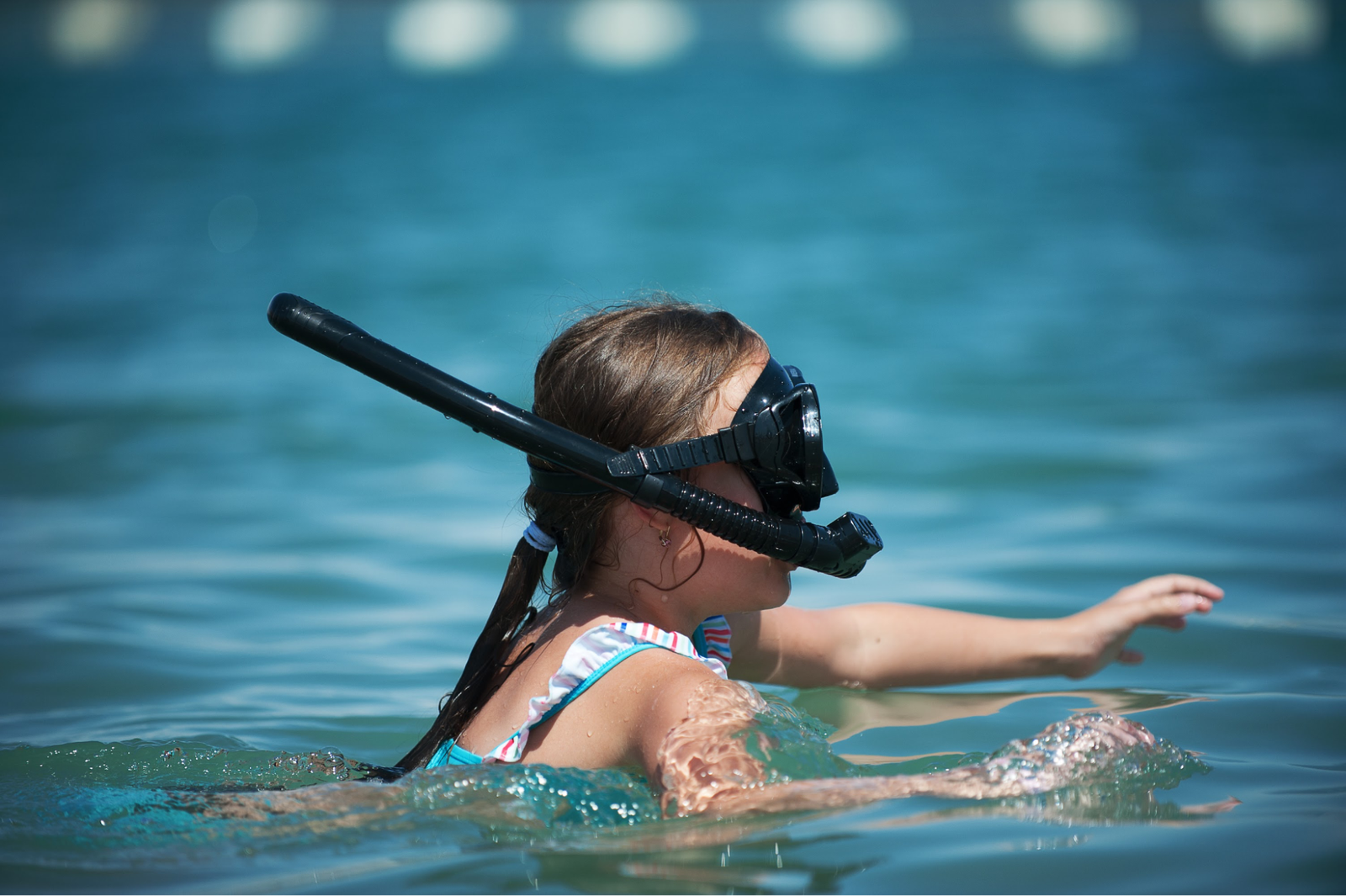
Once you’ve picked your location, take some time to prepare. Make sure all your gear is clean and in working order. Apply anti-fog treatment to your mask or use a small amount of baby shampoo diluted in water to reduce fogging. Wear a rash guard or long-sleeved swimwear to protect your skin from sunburn and stings. Reef-safe sunscreen is another must, but apply it at least 30 minutes before entering the water. Before you get in, stretch your arms, shoulders, and legs to loosen up your muscles. Hydrate well, especially if you’re snorkeling in a warm climate. Staying hydrated helps prevent muscle cramps and keeps your energy levels up throughout your session.
5. Entering the Water to Snorkel With Confidence
The method you use to enter the water depends on the location. If you’re at a beach, walk in slowly until the water is deep enough to float, then lie face down and start snorkeling. If you’re entering from a boat, sit on the edge and slide into the water backward to avoid knocking off your mask or snorkel. Once you’re in the water, take a few minutes to float and breathe calmly. Let your body relax. Keep your head down, and breathe through the snorkel without lifting it from the water. Focus on maintaining a slow, even pace with your breaths to help prevent panic and allow you to enjoy the sights below.
6. Mastering Breathing and Movement When Snorkeling
Breathing while snorkeling might initially feel awkward, but it’s surprisingly easy with some practice. Keep your mouth closed around the snorkel’s mouthpiece and breathe slowly. If water enters your snorkel, exhale forcefully to clear it. Some snorkels have purge valves at the bottom to make this process easier. Use your fins to propel yourself forward with small, smooth kicks from your hips. Avoid using your arms to swim unless necessary. Efficient kicking will help you conserve energy and smoothly glide through the water. If your mask starts to leak, don’t panic. Tilt your head slightly back and press the top of the mask while exhaling through your nose to clear the water out.
7. Staying Safe While You Snorkel
Snorkeling is generally safe, but staying aware and cautious is essential. Never snorkel alone. Always bring a buddy, even if they’re staying close to shore. Stick together and check on each other regularly. If one of you experiences a cramp or becomes tired, the other can help. Stay aware of your surroundings. Look out for boats, kayakers, and paddleboarders who may not see you in the water. Watch your distance from coral reefs, rocky areas, or drop-offs. If you encounter marine life, enjoy observing, but never touch or chase the animals. Many aquatic creatures have natural defenses, and human contact can disrupt their habitat. Know your limits and stay within a comfortable depth and distance from the shore. If you become fatigued, lie on your back and float while resting. A snorkel vest can help provide additional buoyancy and make it easier to stay afloat without effort.
8. Making the Most of the Snorkeling Experience
As you become more confident with snorkeling, you’ll appreciate the subtle wonders beneath the surface. Move slowly and quietly so as not to scare off fish. You’ll often see more marine life when you remain still and let them come to you. Consider bringing a waterproof camera or GoPro to document what you see. Many beginner snorkelers are surprised by the various colors and creatures below the surface. Early morning is usually the best time for visibility and marine activity. If snorkeling becomes a favorite hobby, you might want to explore different environments. Mangroves, coral gardens, tide pools, and shipwrecks offer unique snorkeling experiences that reveal different species and scenery.
9. What to Do When You Finish Snorkeling
Once you leave the water, rinse your gear with fresh water to remove salt and sand. Let everything dry completely before storing it. Ensuring it dries helps prevent mold and extends the life of your equipment. Take a break in the shade, rehydrate with water or an electrolyte drink, and eat a light snack if needed. Reflect on your experience. Think about what you saw and how you felt while in the water. Each snorkeling trip builds your skills and comfort level, setting you up for more confident adventures in the future.
Avoiding Mistakes While Learning How To Snorkel
Like any new activity, snorkeling has a learning curve. Beginners sometimes overtighten their masks, which can cause discomfort and leave marks on the face. A properly fitting mask should seal well without pressure. Breathing too quickly or shallowly through the snorkel can also lead to anxiety or shortness of breath. Focus on slow, rhythmic breathing to stay calm. Don’t underestimate the power of the ocean. Even in seemingly quiet waters, currents can shift. Always be aware of your location and avoid drifting too far from shore. Avoid the temptation to stand on or touch coral, which can damage fragile ecosystems and result in injury. It’s also important to check your gear before each use. A broken strap or faulty snorkel valve can quickly turn an enjoyable session into a stressful one. Take the time to prepare and double-check everything before entering the water.
Advancing Your Snorkeling Skills
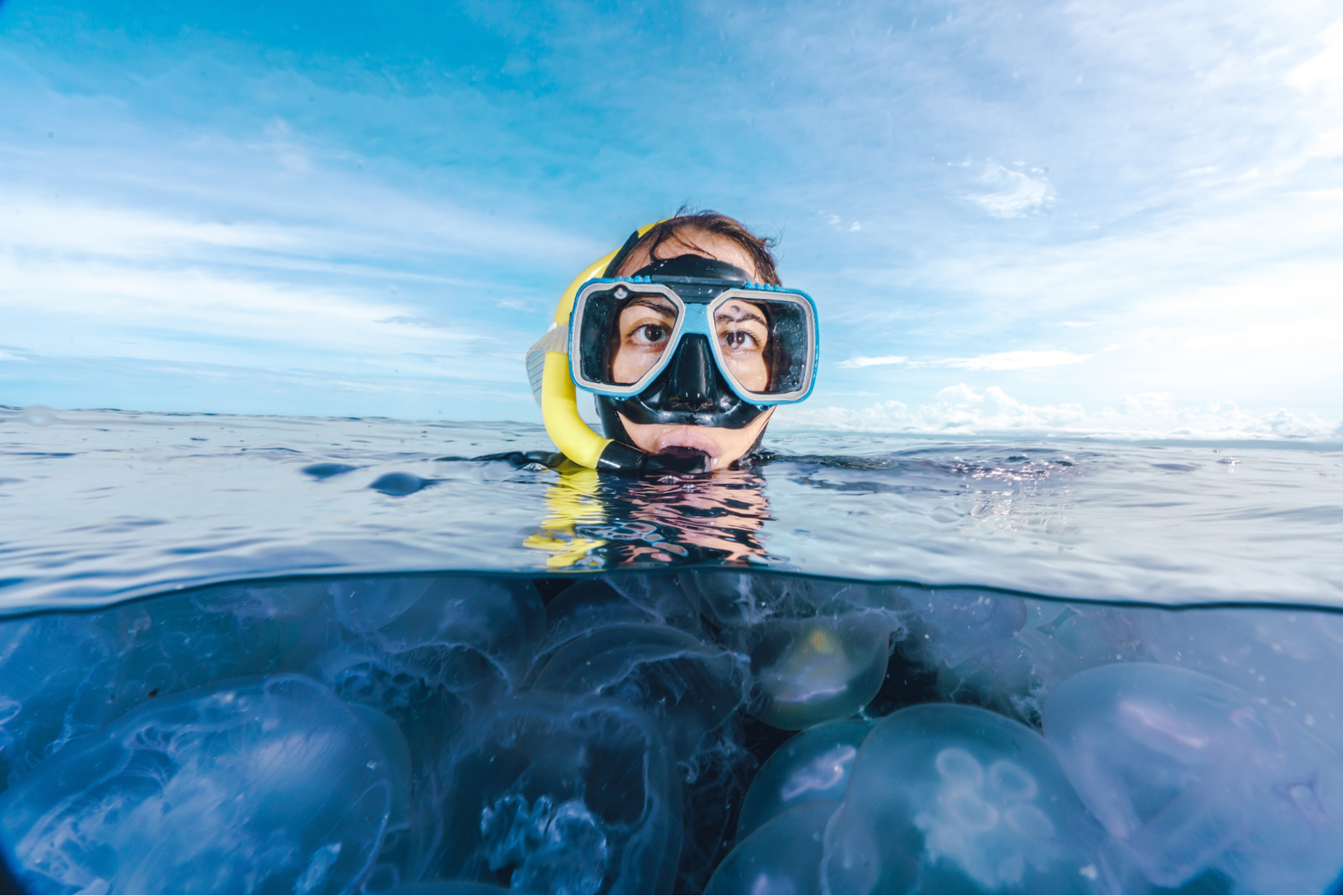
Once you’re comfortable with the basics of how to snorkel, you may want to try more advanced techniques like skin diving, which involves briefly diving below the surface while holding your breath. Always practice in safe conditions with a partner and learn how to equalize the pressure in your ears as you descend. You can also try new snorkeling locations that offer more challenging situations. Deeper reefs, strong currents, or rocky coastlines offer different views but require stronger skills. Consider joining guided tours for these adventures, especially in unfamiliar places.
Learning How To Snorkel Builds Long-Lasting Memories
Snorkeling isn’t just about exercise or sightseeing—it’s about discovering a world that most people never see. It fosters a deeper appreciation for the ocean and its inhabitants. The more you practice, the more confident and adventurous you’ll become. By learning how to snorkel the right way, you set yourself up for countless experiences filled with beauty, calm, and connection to nature. Whether you snorkel once a year or every weekend, the peace and wonder of the underwater world are always worth the trip. For more information about snorkeling, please visit our Straight Forward Water Sports blog.
