
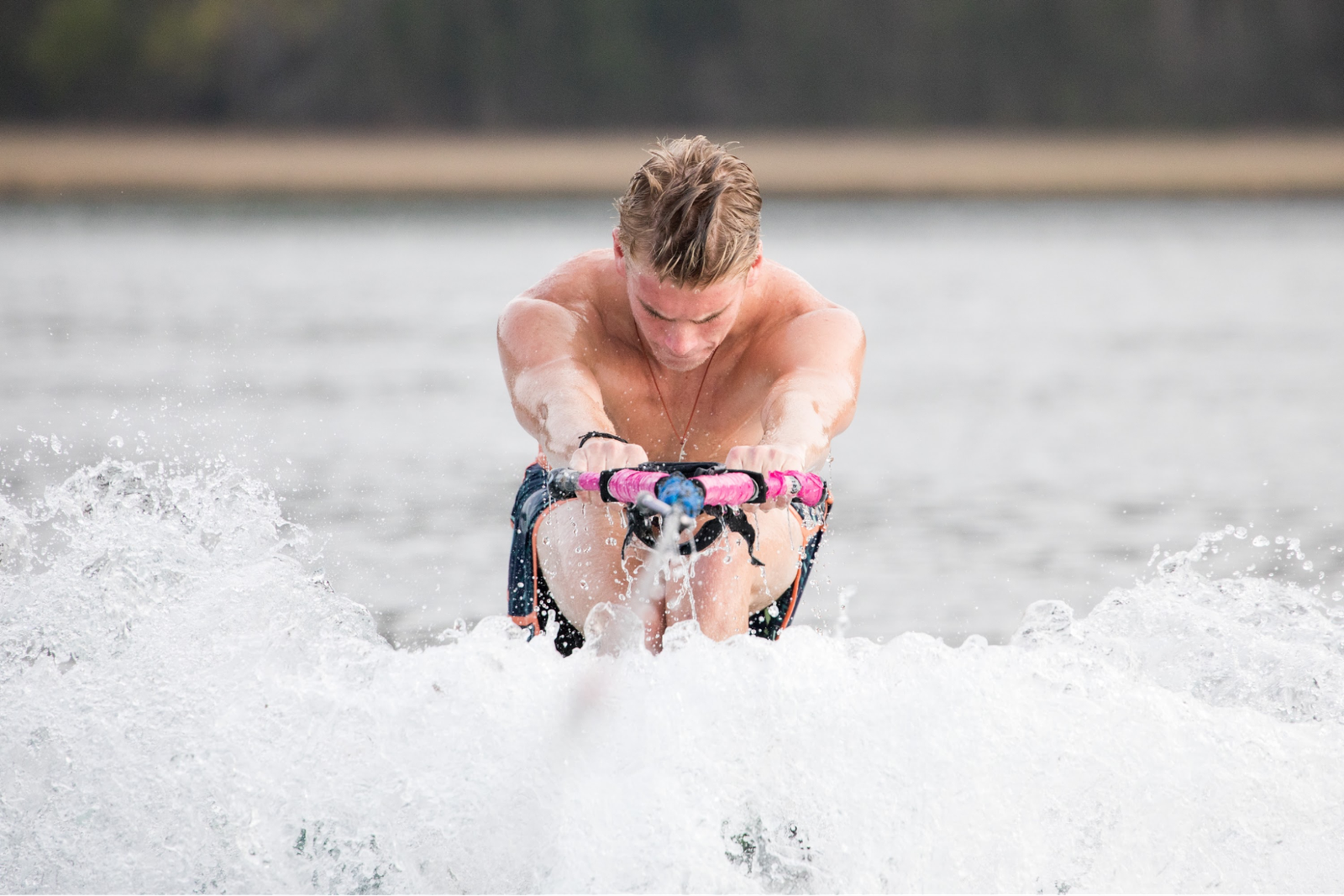
When summer heats up and the water calls, there are few thrills compared to gliding across a lake or ocean with the wind in your face. For adrenaline and water lovers alike, two sports consistently rise to the top: waterskiing and wakeboarding. While both involve being pulled behind a boat at high speed, they offer very different experiences in terms of style, technique, and culture. So which one should you try? Whether you’re planning a day out on the water or looking to commit to a new hobby, this comprehensive guide will help you understand the differences, advantages, and challenges of each. By the end, you’ll be better equipped to decide whether to waterski or wakeboard your way into your next adventure.
Understanding The Basics of Waterskiing
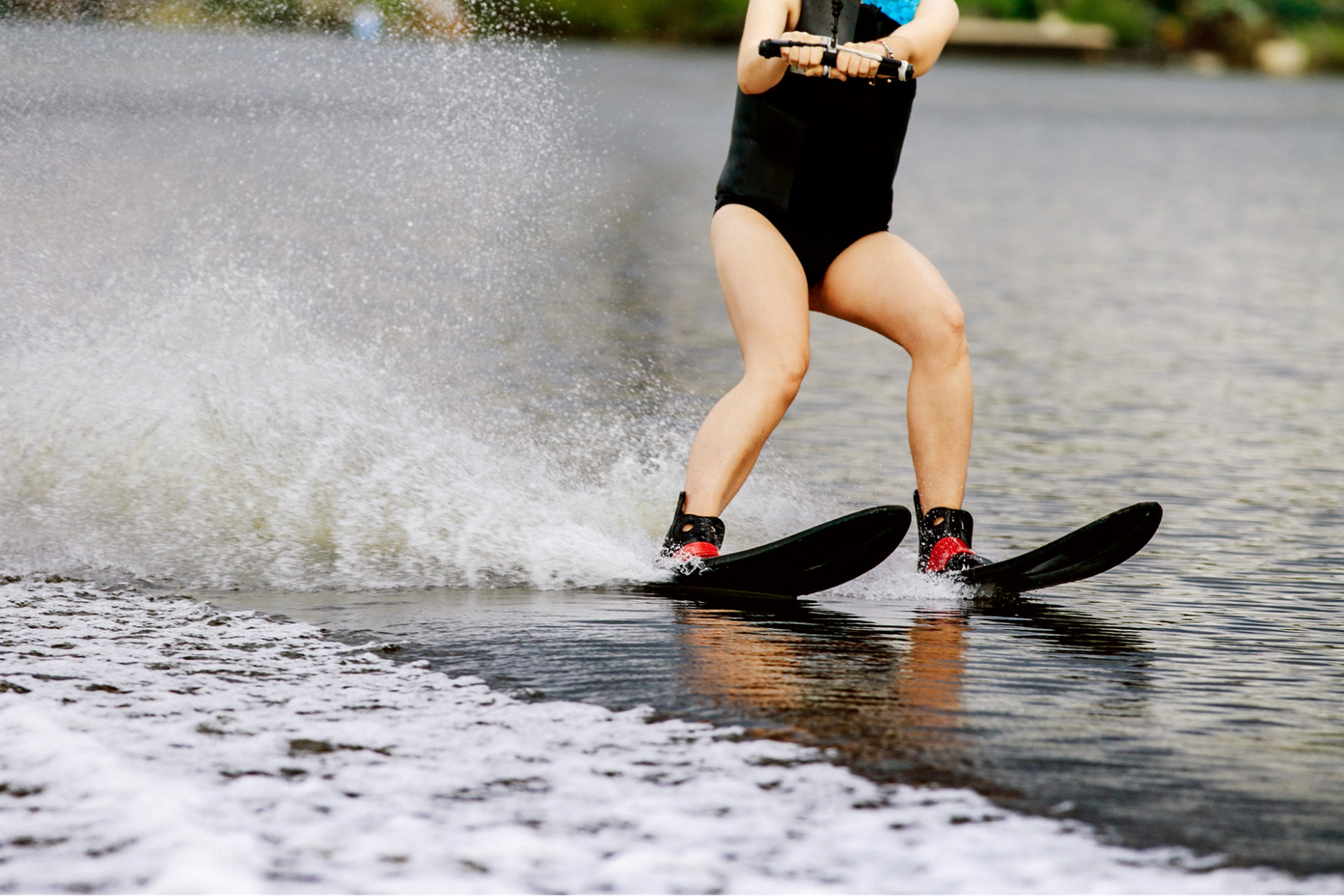
Waterskiing involves gliding across the water’s surface on either one or two skis, holding onto a tow rope connected to a boat. This sport originated in the 1920s and has long been a staple in recreational water activities. Beginners typically start with two skis, which offer better balance and control, before progressing to slalom skiing, which uses a single ski for more advanced performance and sharper turns.
What it Means to Wakeboard
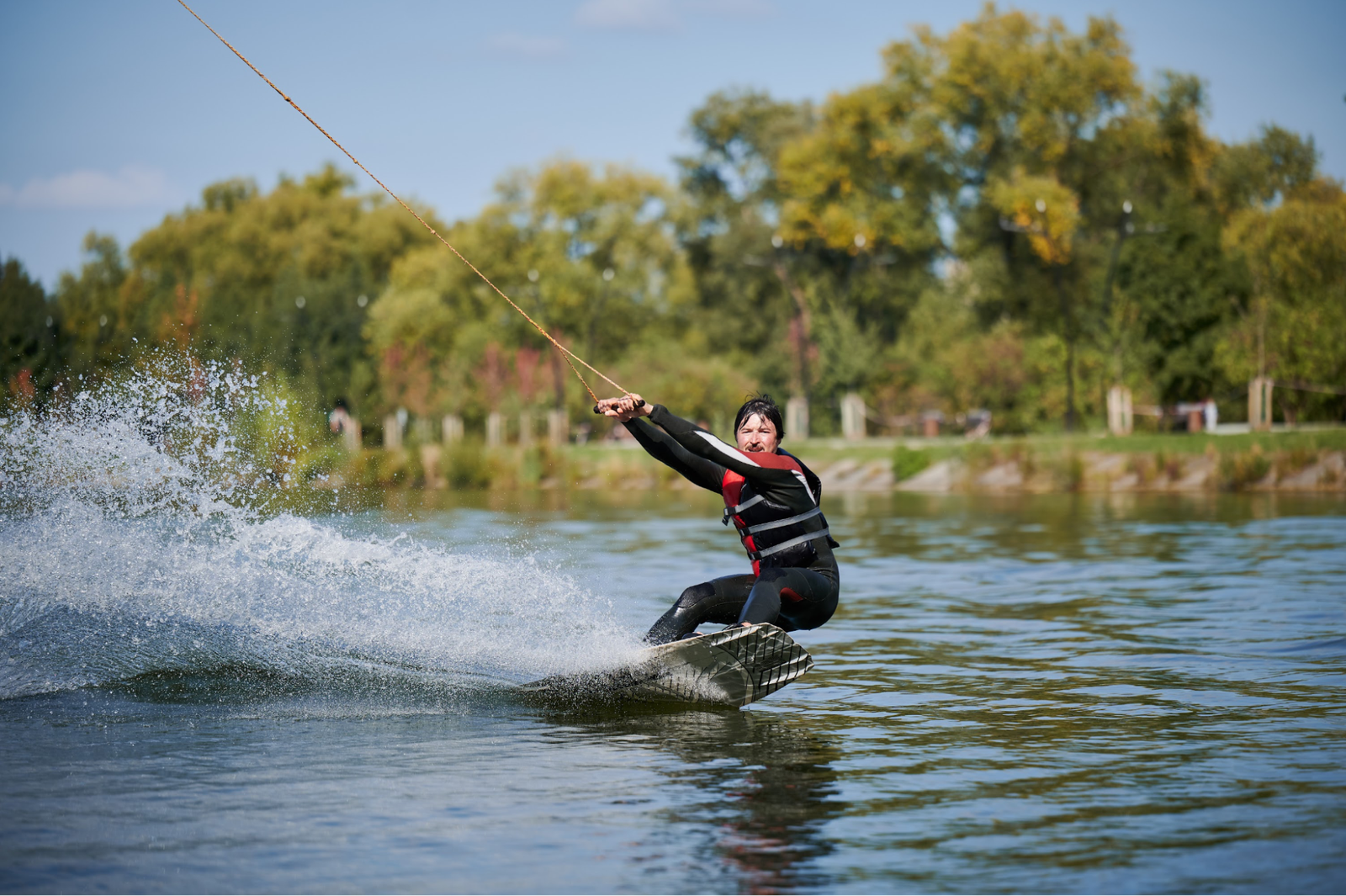
On the other hand, wakeboarding is riding a single board while being towed by a boat. Unlike waterskiing, wakeboarding places the rider in a sideways stance, similar to snowboarding or skateboarding. The wakeboard is a flat, rectangular board with bindings that secure both feet in place, allowing the rider to perform tricks, jumps, and spins using the boat’s wake as a natural ramp.
Shared Thrills, Different Styles
Both sports share common elements: speed, balance, core strength, and the exhilaration of skimming over water. But the equipment, body position, and learning curve set them apart—and influence which one may be better suited for your style.
Learning Curve: Which One Comes Easier?
The learning curve can significantly decide if you’re new to water sports. Generally, waterskiing is considered easier to learn, especially when using two skis. The forward-facing stance is more natural for beginners, and the broader base of two skis offers better stability. Most newcomers can stand up and ride behind the boat after just a few tries with the proper instruction. Wakeboarding, while slightly trickier to stand up on initially due to the sideways stance, has its beginner-friendly features. The fact that both feet are strapped into the board can offer a sense of security, and those with experience with snowboarding or skateboarding often find the transition intuitive. Though getting your first clean ride may take longer, wakeboarding offers quick progression when learning basic tricks.
Equipment Differences Between Waterskis and Wakeboards
The gear required for waterskiing and wakeboarding is similar in its basics: you’ll need a boat with a tow rope, a life jacket, and skis or a board. However, there are key distinctions in the equipment itself.
Waterskiing Equipment
Waterskiing involves either a pair of skis or a single slalom ski. Beginners often use combo skis, which provide added surface area and are designed for learning. Slalom skis are narrower and require more precision and speed. The bindings can range from simple adjustable straps to more specialized, high-performance styles. Waterskis vary in price depending on the type and brand, but beginner sets are typically more affordable than high-end slalom options.
Wakeboarding Equipment
By contrast, wakeboards come in various shapes and flex levels to suit different skill sets and riding styles. Bindings are mounted directly to the board and usually offer a snug, supportive fit. Wakeboarding also typically requires a boat with a tower or extended pylon to pull upward rope, which helps riders catch air and perform aerial tricks. These additions can increase the initial investment, but the payoff is greater trick potential and creative freedom on the water. In terms of ongoing costs, both sports require maintenance of your gear and boat, but wakeboarding may come with slightly higher accessory costs if you invest in wake-specific towers or ballast systems to enhance the boat’s wake.
Waterski and Wakeboard Style and Movement on the Water
One of the most noticeable differences between waterskiing and wakeboarding is the style of movement each sport encourages. When you waterski, your stance is straight, and your movements are linear. The goal is to maintain a clean edge on the water and use body positioning to cut sharply from one side of the wake to the other. It’s about speed, control, and grace under pressure. Competitive waterskiing includes slalom, tricks, and jumps, but even casual skiing has a rhythmic elegance. Wakeboarding, on the other hand, is dynamic and expressive. The sideways stance allows riders to incorporate spins, flips, and grabs, using the wake as a natural launchpad. Movement is more fluid and freestyle, and there’s a strong influence from board sports like snowboarding. While wakeboarding can certainly be smooth and controlled, it also thrives on boldness and creativity. It’s often described as the more “artistic” of the two water sports.
Physical and Fitness Benefits of Waterskiing and Wakeboarding
Waterskiing and wakeboarding provide full-body workouts that engage the core, legs, and upper body. However, they challenge your muscles in slightly different ways. Waterskiing requires significant leg strength, particularly in slalom, where you must edge aggressively and absorb heavy G-forces in sharp turns. It also demands fine motor control and endurance, as holding the correct posture for extended periods can be taxing. Your arms and shoulders work hard to keep the rope, and your core stabilizes your entire body. Wakeboarding also uses different proportions of the core, legs, and upper body. Because you constantly adjust your balance and absorb the wake’s impact, wakeboarding emphasizes dynamic core strength and joint mobility more. The upper body and arms remain engaged as you steer and perform tricks, while the legs absorb landings and manage board control.
Waterski and Wakeboard Progression and Techniques
Both sports offer deep progression potential if you enjoy continual improvement and mastering new skills. Waterskiers can move from basic two-ski riding to mastering slalom courses, where precision and speed are key. As skill levels rise, competitive waterskiing becomes a highly disciplined pursuit, with athletes weaving around buoys and carving aggressive turns with split-second timing. In wakeboarding, progression is often measured in tricks. From surface 180s to backflips and toe-side grabs, the options for skill development are nearly endless. Riders frequently challenge themselves to learn new aerial maneuvers and style variations, keeping the sport fresh and engaging even after years of experience. This difference in progression style reflects individual personality types. Waterskiing might appeal more if you enjoy structure, repetition, and incremental gains. Wakeboarding may be your sport if you thrive on creativity, boldness, and pushing boundaries.
Age and Accessibility for Waterskiers and Wakeboarders
Both sports are accessible to various ages, though certain factors may influence your choice. Young children often start with waterskiing because it offers more stability and a slower introduction to the water. Many kids begin by using a bar connected to the boat instead of a rope, which helps them find their balance. Waterskiing is also popular among older adults who appreciate the forward-facing posture and low-impact options like combo skis. While suitable for youth and adults alike, wakeboarding favors those with better joint mobility and core strength. The falls in wakeboarding can involve twists and spins, which may be more difficult for beginners or older riders to absorb. With proper instruction and the right equipment, anyone with a moderate fitness level can learn to wakeboard safely and enjoyably.
Waterski vs. Wakeboard: Choosing the Right Sport for You
The decision to waterski or wakeboard comes down to personal preference. Waterskiing might be the ideal match if you enjoy control, speed, and precision and are drawn to rhythmic movement and athletic form. It offers a timeless challenge and a rewarding path of progression. If you lean toward creativity, self-expression, and a little edge-of-your-seat excitement, then wakeboarding may be the perfect fit. It allows you to explore your daring side, master cool tricks, and experience the water in bold new ways. Try both if you can—many boaters keep both skis and boards on hand for variety. Regardless of your choice, you’ll invest in a sport that connects you with nature, challenges your body, and delivers unmatched summertime joy.
Dive Into the Experience of Waterskiing and Wakeboarding
Whether you decide to waterski or wakeboard, you’ll find a sport that offers physical challenge and pure, unfiltered fun. Each ride across the water is a new opportunity to test your limits, clear your mind, and soak in the beauty of the outdoors. And once you find your rhythm—whether it’s slicing through the water on a ski or catching air off a wake—there’s no turning back. So grab a tow rope, suit up, and hit the lake. The water’s waiting, and your next great adventure starts now. Please visit our Straight Forward Water Sports blog for more information about waterskiing and wakeboarding.
